

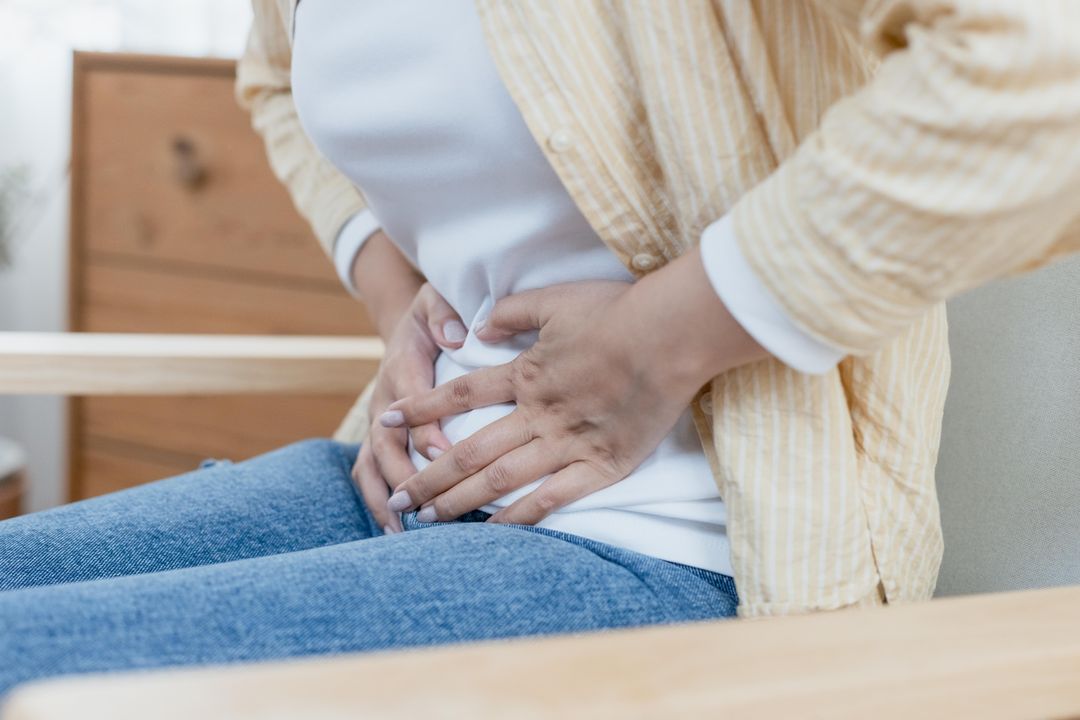
What is Endometriosis?
Endometriosis is a chronic, inflammatory condition affecting millions of women worldwide. Characterized by the growth of endometrial-like tissue outside the uterus, endometriosis can cause severe pain, infertility, and a significant reduction in quality of life.
Conventional treatments, such as nonsteroidal anti-inflammatory drugs (NSAIDs), hormonal therapies, and surgery, often fail to provide adequate symptom relief or come with undesirable side effects. As a result, many women are turning to alternative therapies, including medicinal cannabis, to manage their endometriosis symptoms.
The Endocannabinoid System and Endometriosis
The endocannabinoid system (ECS) is a complex network of receptors, ligands, and enzymes that play a crucial role in regulating various physiological processes, including pain perception, inflammation, and cell differentiation.
Dysregulation of the ECS has been implicated in the development and progression of endometriosis. Cannabinoid receptors CB1 and CB2 are expressed in the endometrium and other reproductive tissues, suggesting a potential role for cannabinoids in modulating endometriosis symptoms.
Contact usFrequently Asked Questions
What are the symptoms of endometriosis ?
Endometriosis symptoms can vary from person to person. Common symptoms include severe period pain, pelvic pain, fatigue, and low energy. Some people also notice pain around ovulation or difficulty getting pregnant. Symptoms often flare around your period, but they can happen at other times too, and some people have no obvious symptoms at all.
How to test for endometriosis?
There is no single simple test for endometriosis, and there is currently no blood test that can confirm it. Diagnosis usually starts with a discussion about your symptoms, periods, and pain pattern, followed by an examination if needed. Your doctor may also recommend an ultrasound or MRI, but scans do not pick up every case. In some cases, a laparoscopy is used to confirm the diagnosis.
Can endometriosis pain come and go?
Yes, it can. For many people, endometriosis pain follows a pattern and is often worse before or during a period. Some people also get pain at other times in the month, including around ovulation, while others have more constant pelvic pain. The level of pain can also vary a lot from person to person.